Spring Mushroom Vegetable Soup
Spring Mushroom Vegetable Soup
The Essence of Fresh Ingredients
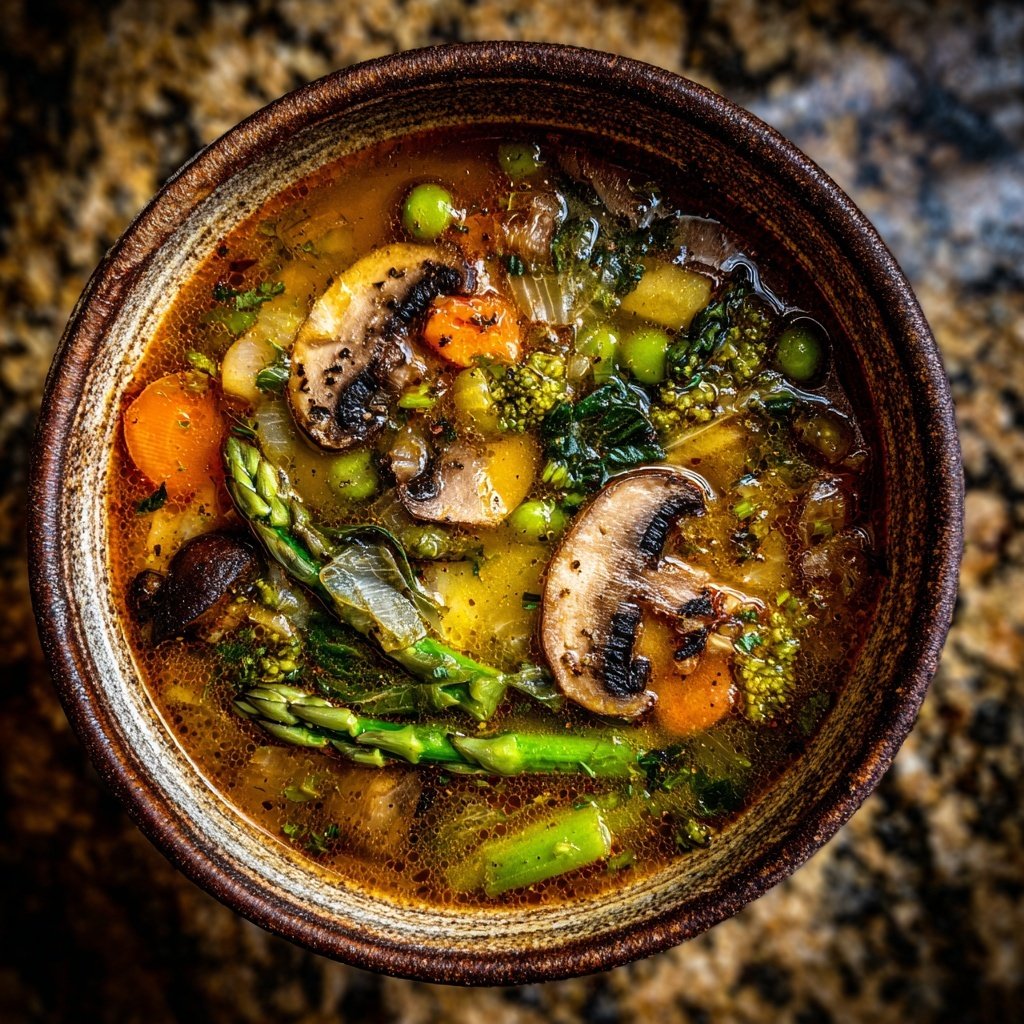
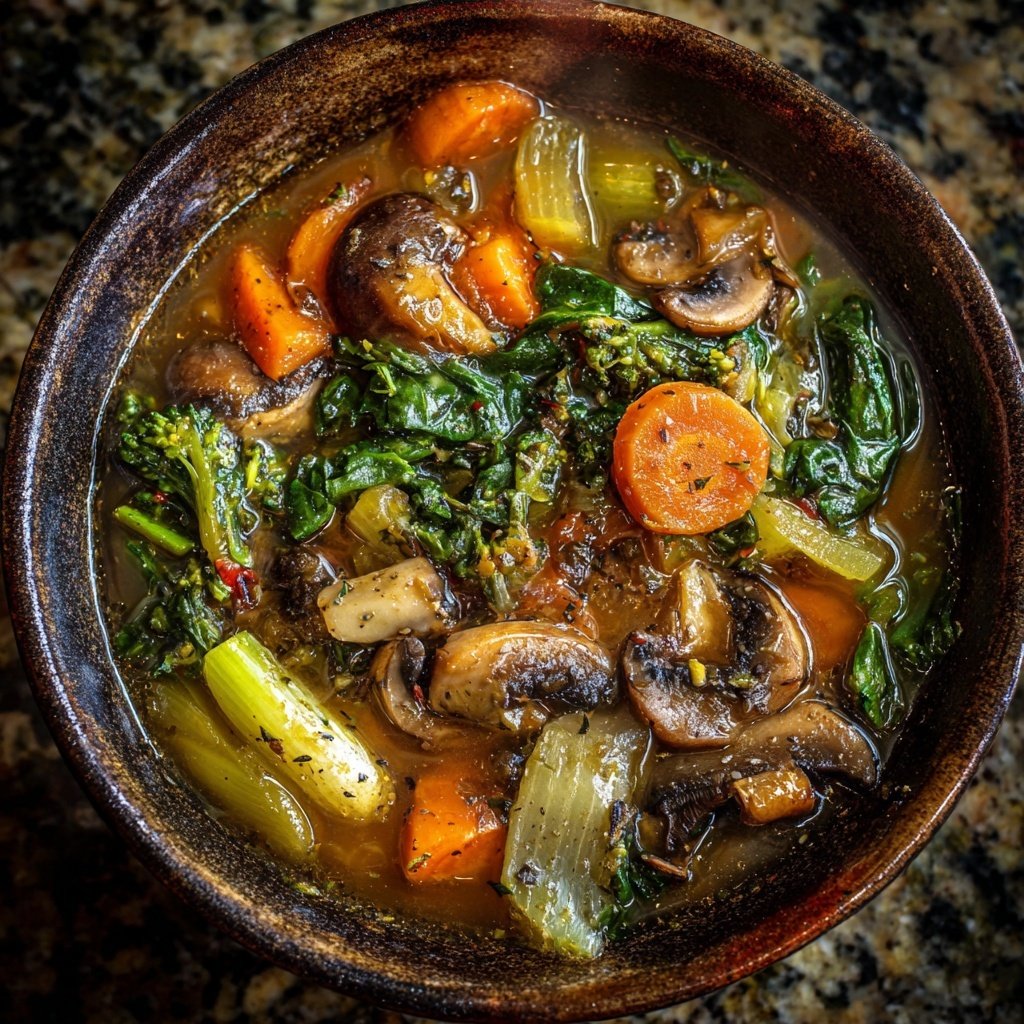
The beauty of Spring Mushroom Vegetable Soup lies in its use of fresh, seasonal ingredients. Utilizing mushrooms like cremini or shiitake not only enhances the umami flavor but also adds various textures to the soup. When selecting your mushrooms, look for ones that are firm and dry with a rich aroma. This ensures maximum flavor and freshness in your final dish. Sautéing them until they are lightly golden will also intensify their flavor before they mingle with the rest of the vegetables.
In addition to mushrooms, incorporating seasonal vegetables such as asparagus or baby spinach can elevate the nutritional profile and add vibrant colors to your soup. These greens should be added towards the end of cooking to maintain their bright colors and fresh textures. This technique prevents them from becoming overly wilted or mushy, resulting in a soup that is not only packed with nutrients but also visually appealing.
Building Layers of Flavor
To achieve a rich and aromatic base, it is essential to start by sautéing your onions and garlic until they become translucent and fragrant—this usually takes around 5 minutes. If you desire more depth, consider adding a splash of white wine or a teaspoon of tomato paste to the mix, allowing these ingredients to cook down for a minute before adding your broth. This step not only infuses the soup with additional flavor but also creates a beautiful bouquet of aromas that will fill your kitchen.
Once you have your aromatic base, gradually introduce your vegetables. Slicing the carrots and celery uniformly ensures even cooking and a pleasant texture. A gentle simmer allows the flavors to meld without breaking down the vegetables too much. If you prefer a heartier soup, consider adding potatoes or white beans; these should be diced small and added early in the process to ensure they cook through but still hold their shape by the end.
Perfecting Your Soup Texture
The texture of your Spring Mushroom Vegetable Soup can be tailored to your preference. For a chunkier style, reserve some sautéed vegetables before blending and stir them back in after pureeing the soup base. If you prefer a silky smooth consistency, use an immersion blender or pour the soup into a regular blender, blending until it's completely smooth. Just be mindful of the hot steam when blending; allowing the soup to cool slightly can prevent accidents and ensure a comfortable pureeing process.
Do not forget the importance of seasoning! Adding salt and pepper should be done gradually, sampling as you go to achieve your desired balance of flavors. A splash of lemon juice or a sprinkle of fresh herbs just before serving will brighten the entire soup, enhancing the fresh flavors of the spring vegetables. If you have leftovers, they can be stored in an airtight container in the fridge for up to 3 days, though the soup may thicken as it sits. Reheat gently on the stove, adding a little water or broth to return it to your preferred consistency.
Ingredient Substitutions
If you're looking to substitute the mushrooms, feel free to use any variety you prefer, such as portobello for a meatier texture or even a medley of wild mushrooms if you want to elevate the dish further. For a vegetarian or vegan option, ensure your broth is vegetable-based; moreover, you can enrich the soup with a splash of soy sauce or miso paste for added depth. If you have dietary restrictions, such as gluten intolerance, opt for gluten-free broth to keep the meal compliant.
For those looking to add protein, cooked lentils or chickpeas can be excellent additions, while keeping the soup meat-free. If you're short on time or ingredients, consider using frozen vegetables; they can save significant prep time and are often picked and frozen at peak freshness. Just remember to add them later in the cooking process to prevent them from becoming overly mushy.
Serving Suggestions
When serving your Spring Mushroom Vegetable Soup, consider a rustic loaf of bread or crusty baguette on the side for the perfect dunking partner. A drizzle of high-quality olive oil or a sprinkle of freshly grated Parmesan can also add an extra touch of richness. If you desire a touch of heat, consider adding a dash of your favorite hot sauce or some red pepper flakes to each bowl for a delightful kick.
For a more complete meal, pair the soup with a side salad featuring bright spring greens and a light vinaigrette. Not only does this complement the soup, but it also adds an interesting contrast in texture. You could even turn it into a main dish by serving it over cooked grains like quinoa or farro, which will make it more filling and nutritious.
Storage and Reheating Tips
To store leftover Spring Mushroom Vegetable Soup, transfer it to an airtight container and refrigerate. It will last for about 3 days, but the flavors will continue to develop over time, enhancing the overall taste. If you prefer, this soup can be frozen as well; just make sure to leave some space in your container, as liquids expand when frozen. For optimal texture, it’s best to freeze without the added greens, as they can become mushy when thawed.
When you’re ready to enjoy your frozen soup, thaw it in the refrigerator overnight. Reheat it on the stove over medium heat, stirring occasionally until it’s warmed through. You may want to add a splash of stock or water to loosen it up to your desired consistency. For a fresh touch, garnish with fresh herbs or a squeeze of lemon right before serving to reinvigorate those spring flavors.